Pumpkin everything!

It’s that time of the year - pumpkin everything!  However, let’s think beyond the pie crust or spiced lattes and explore the many health benefits of pumpkins.

1. Maintain healthy weight

Pumpkins are actually very low in calories and provide good nutritional value. For example, 1 cup of cooked pumpkin is only 49 calories but is jam-packed with fibrous carbohydrates.

2. Build healthy bones

Usually bone health isn't at the top of our list for nutritional considerations, but that doesn't mean it's not important.  Pumpkins are high in magnesium with 11% of your referenced daily intake (RDI). Even though we link calcium and Vitamin D to strong bones, magnesium is actually responsible for transporting the calcium in the body.

3. Reduce blood pressure

With high blood pressure affecting 1 in 3 adults, using natural food intake for reduction is a fantastic helpful first step for your health. As we already know, pumpkins are high in magnesium, but they are also high in potassium (16% of RDI), which make this combo great for blood pressure regulation. Applying pumpkins with a low sodium, fruit and vegetable rich diet help to take your blood pressure regulation a step further!

4. Reduce stress

Family and friends make the holidays great, but all of the great foods add to the festive experience! Pumpkin, and other Thanksgiving Day foods such as turkey, contain tryptophan, an amino acid that has been shown to help manage and even reduce stress. 

Outside of Thanksgiving, a good approach could be to hit the gym and get a good workout, then come home and pair it with a nice pumpkin dish to help you relax and kickback.

5. Reduce your risk of injury

A consistent fitness routine is an essential aspect of a healthy lifestyle. In order to stay consistent, injury prevention is of critical importance. Pumpkin is a great source of Viitamin C (19% of RDI), which boosts collagen production to maintain healthy skin and connective tissues in joints.

6. Boost your heart health

One of the main variables of heart health is managing your LDL or “bad” cholesterol. One great natural way to reduce these levels of LDL are through fibrous fruits and vegetables. As previously mentioned, pumpkins have a kick of fiber (3g). Although very high, pumpkin does not provide your recommended daily intake completely, so pairing pumpkin with whole grains can be a healthy way to meet those recommendations.

7. Strengthen eyesight
With age comes new worries for our health. One concern is the diminishing eyesight. Pumpkins are here to save the day! They are high in Vitamin A (245% of RDI) which is good for boosting vision health. Vitamin A also helps to reduce the risk of macular degeneration as we age.

Fuel your Fall

Fuel your Fall!

The temperatures are starting to dip, leaves are beginning to fall and pumpkin spice is making its way through the season. As with the change of the season, brings fall flavors and colors. Try out these in-season produce.

Seasonal produce:

-          Apples, carrots, celery, cabbage, broccoli, cauliflower, brussels sprouts, kale, spinach, sweet potatoes, pumpkins, winter squash, beets, parsnips, and garlic

Try out this recipe: Spicy Baked Squash (Makes 4 servings.)

Ingredients

  • cooking spray 

  • 1 acorn squash or winter squash

  • 1 dash salt 

  • 2 tablespoons butter

  • 9 teaspoons brown sugar (3 Tablespoons) 

  • 1 teaspoon cinnamon

  • 1/4 teaspoon nutmeg 

  • 1/4 teaspoon ginger

Directions

  1. Preheat the oven to 400 degrees.

  2. Coat the baking sheet with cooking spray.

  3. Wash the squash. Cut it in half lengthwise. Remove the seeds. Cut the squash into 1/2 inch slices.

  4. Place the squash on the baking sheet. Sprinkle with salt.

  5. Melt the butter on low heat in a small saucepan.

  6. Add the brown sugar, cinnamon, nutmeg, and ginger to the saucepan.

  7. Spread the butter mix on the squash.

  8. Bake for 20 to 25 minutes, or until tender.

Nutrition for your home

1.      Eat Together.

Eating with your child, can be very powerful. When a parent models food behavior, the child can learn to eat the same foods. Try a “family meal” at any time, any day, for any meal or snack.

2.      Meal times

Attention spans can vary by child. To find your child’s attention span, start with a very short amount of time at the table- 1 minute. Slowly increase the amount each time to find the max time they can eat with no distractions- no tv, tablet, toys, etc.

< 2 years: less than 4 minutes

2-4 years: 4- 6 minutes

6-8 years: 12-24 minutes

10+ years: 20-30 minutes

3.      Introducing a new food

    1. Show the preparation of the food.

    2. Show the finished product.

    3. Offer a small sample to taste test.

    4. Hope for the best!

For more information and nutrition tips, ask Rosie about the Texins Nutrition Workbook.

Fad Diets

Within nutrition, there is this strange sort of tribalism that I have seen over the past few years.

One side says it has to be this way and the other side says it has to be that way. A lot of the times I feel the true intention of the message gets lost in the quest to be right. Let’s take fad diets for instance. There are those who promote the miracles of the ketogenic diet and its ability to shred weight immediately. Then there are those who will argue the complete opposite and chastise those who say anything positive about the ketogenic diet approach. It’s not so black and white, and ultimately the people who need the information most, get lost in the battle that ensues and never get an answer to “what diet will work best for ME?”

 Here’s the deal, diets, in general, tend to be restrictive and this proves to be less sustainable over time. The only reason I see to restrict food is when it has been identified to cause an allergic reaction or is medically relevant. Rather, I try to introduce new ideas, behaviors, and foods. Introducing foods as opposed to taking away gives more variety. In regard to the fad diets, this restriction and taking away of foods is why I see many people cycle through them instead of staying on them.

However, I do see that most of the fad diets promote the case for reducing the intake of processed foods and increasing the intake of whole foods. This point alone is at the heart of almost every talk I conduct with clients. Notice it’s not restricting processed food intake but reducing. We need to be able to indulge in foods that bring joy and happiness. We need to be able to partake in a stress-free meal with family and friends.

 If I could have you take away just one thing after reading this, it would be that I want people to be skeptical about the information they receive. Just because someone eats good food, does not make them an expert on food, no more than someone with lots of money is a financial advisor.

As always, feel free to contact me with any questions, comments, or concerns.

Be good to yourself and be good to others!

Food = Fuel

Let’s sit back for a second and contemplate the impact that food has on our daily lives. Go ahead - take a minute and think through the foods that you’ve eaten so far today. If, as the title of this blog indiciates, food = fuel, then what type of performance are you expecting to receive based on your food choices?

Here are a few tips to put you on the right track for fueling for optimal performance:

  • Fuel early and often: Life is busy, and sometimes we wake up and hit the ground running. Forgetting to start by fueling for the day ahead is similar to driving by the gas station when your tank is empty. As stated before, life is busy, so plan ahead. Plan your morning meal the night before or have a quick go-to breakfast for those days when you are in a hurry. Check out our recipe for Overnight Oats if you are looking for inspiration.

  • Incorporate a wide variety of foods: We are creatures of habit, and it is very easy to get into the rhythm of eating the same foods over and over...and over again. By limiting yourself to a small grouping of foods, you may not receive the benefits associated with a well-rounded diet. Take a look at one of our previous blogs 7 Stress-busting Nutrition Tips to see the variety of foods listed. If this many foods can boost your mood and reduce the negative effects of stress, what results could you see by adding other high nutrient and tasty foods into your life?

  • Be Intentional: Fuel with an outcome in mind. To put this thought into practice, take mental note of what your body is telling you throughout the day. Are your feelings positive, increased energy and focus, or are you feeling sluggish or tired? Take note and be mindful of what food decisions are driving these feelings.

Essential nutrients for your mental health

May is National Mental Health Awareness Month. What you eat and drink directly affects how you feel- energy, mood, hormones levels. Nutrition is just one piece of the puzzle- sleep, movement, and regulation all work hand in hand to help manage stress.

Your brain and nervous system don’t just rely on food for energy — they also need vitamins, minerals, and macronutrients to support the processes behind every thought and great idea you have. So, to feel more energized and creative throughout the day, look toward foods that contain these nutrients:

B Vitamins: salmon, leafy greens, and eggs

  • These help your body convert food into useable energy, supporting metabolism and boosting energy levels. They are also essential for the nervous system, healthy brain function and memory.

Omega 3 Fatty Acids: chia seeds, walnuts, and fatty fish

  • These are nutrient rich and anti-inflammatory. They can help lower levels of cortisol (stress hormone), to reduce chronic inflammation. These healthy fats support your brain function and may even improve mood.

Vitamin D: Tuna, mushrooms, fortified drinks like milk and orange juice

  • Sunlight is the body’s greatest source of vitamin D, supplementing via food can help your body use oxygen to produce energy.

Complex carbohydrates and Fiber: whole grains, vegetables, and legumes

  • Slow-digesting carbs provide steady energy to your brain throughout the day. Carbs are your nervous system’s preferred fuel source. To think clearly, prioritize these complex carb sources over fatigue-inducing simple carbs like white breads and pasta, chips, and cereals.

Heart Health Nutrition

February is Heart Health Month! Here is your guide to a better lifestyle.

Heart disease is the leading cause of death for men and women in the U.S. One person dies every 34 seconds from cardiovascular disease each day with 47% of US adults estimated to have hypertension. Less than 10% of US adults met the guidelines for whole grain, whole fruit and vegetable consumption in 2017-2018.

Here are some heart health tips:

  1. Physical Activity: Incorporate exercise into your daily routine to boost physical and mental fitness. Recommendation: 150 minutes of moderate aerobic activity weekly.

  2. Balanced Nutrition: Incorporate balance into your diet. A variety of fruits and vegetables, whole grains and lean protein is key.

  3. Hydration: Drink at least half of your body weight of water daily for optimal health.

  4. Mental Health: Dedicate time to activities that bring you joy, laughter and relaxation, such as enjoying a hobby or spending time with loved ones.

  5. Quality Sleep: Ensure you get enough rest each night. Quality sleep is crucial for mental well-being.

  6. Establish a Routine: Create a daily routine that provides structure and a sense of normalcy.

Check out the Heart Healthy recipe linked to the picture- Chicken Teriyaki Sheet Pan!

Pantry Staples

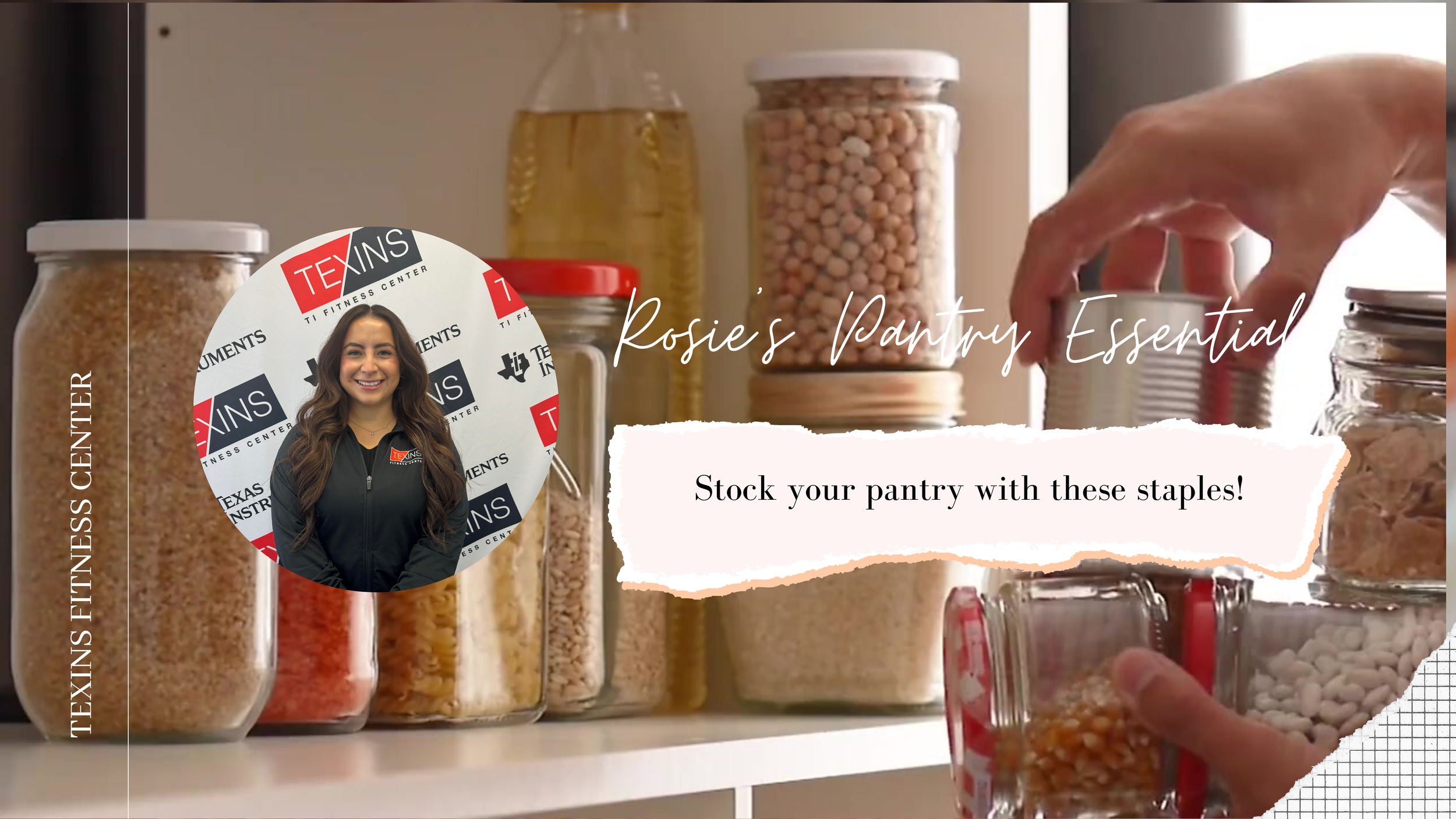
New year, same pantry staples! This is an example of what foods I have on hand for a balanced diet.

Here is what’s in my pantry:

1.     Carbohydrates- Carbs are our main source of energy. They also provide fiber which aids in satiety, lowers cholesterol and manages blood sugar.

  • Penne pasta

  • Old Fashion Oats

  • Shredded coconut

  • Pretzels

  • Granola

  • Jasmine Rice

2.     Protein- Protein helps to build and repair muscle tissues and maintain muscle mass. It is essential for growth and development.

  • Microwavable beans

  • Canned Black beans

  • Tuna packets

3.     Fats - Fats provide energy, help the body absorb essential vitamins, support hormone production and protects our organs.

  • Nut Butter

  • Chia seeds

  • Flax seeds

  • Dark chocolate covered almonds

Holiday Nutrition

The holidays are approaching and are a busy time of year. For many people, the holidays mean spending time with loved ones and celebrating the joys in life, like cooking, and eating traditional foods. You can still enjoy the holidays and enjoy the delicious foods without having to compromise your goals. Check out these helpful nutrition tips that can keep you motivated and reach your goals.

1.     Don’t skip meals.

Attending any event on an empty stomach can make you feel famished. This can lead to overeating due to increased feelings of hunger. An excellent pre-party snack can be complex carbs with protein and a fat. Example: apples and peanut butter or turkey, cheese and crackers.

2.     Choose drinks wisely.

High calorie drinks add up- alcoholic and sugar sweetened beverages. These beverages can set you back: sodas, eggnog, wine, beer, mixed drinks. If you have alcohol have a glass of water or seltzer between drinks.

3.     Visit with people.

Socialize away from food to avoid mindless eating. Distance helps the heart stay healthy and can keep you from overeating.

4.     Be mindful.

Eat until you are satisfied not stuffed. Eat slowly and check in with your body. It is important to have a mind-body connection. Take about 10 minutes before going for seconds. It takes a while for your stomach to signal you are full.

Women's Health- Breast Cancer Awareness

October is National Breast Cancer Awareness Month! Throughout the month, we will focus on movement, prevention, and community, at Texins we are in this together!

Did you know that there are over 4 million breast cancer survivors in the U.S?!  Since 1989, the Breast Cancer mortality rate has steadily declined due to early detection and improved treatment.

Here are some ways to lower your risk of developing breast cancer:

  1. Know your risk: family history, genetics, etc.

  2. Get screened regularly: mammogram, pap test, HPV testing

  3. Know your normal: regular self-check breast exams

  4. Make better lifestyle choices: movement & nutrition

Movement

There are many benefits to exercising, such as enhanced mood and mental well-being, lower cholesterol levels, reduced blood pressure, improved posture and balance, as well as a stronger immune system. The American Cancer Society recommends 150 to 300 minutes of moderate physical activity each week. Women who engage in regular physical activity are 10-20% less likely to develop breast cancer compared to those who are inactive.

Tips to increase physical activity:

  • Skip the elevator and take the stairs

  • Walk/bike as an alternative to driving

  • Take your pet for a walk

  • Pick a hobby: Dancing, gardening, hiking, recreational sports, etc.

Nutrition

Incorporate a balanced diet. A balanced diet includes lean protein sources, whole grains, fruits, vegetables, and healthy fats. It’s essential to include a diverse range of whole foods.

Ensure adequate Vitamin D and Calcium. Vitamin D deficiency is common in women due to hormonal fluctuation and can increase the risk of cancer. Vitamin D can help maintain bone health and immune function- postmenopausal women have an increased risk for osteoporosis. Estrogen supports calcium absorption, as estrogen declines, so does our body’s ability to reabsorb calcium, which can lead to bone loss.

Daily recommendation:

Vitamin D

  • <50 years: 600 IU

  • >50 years: 800mg

Calcium

  • >70 years: 1000 IU

  • >50 years: 1200mg

How to increase intake: low fat dairy, fortified milk/cereals, fatty fish, eggs, and 10-15 minutes of direct sunlight

Limit and/or reduce added sugar and alcohol intake. Diets high in added sugar can lead to increased weight gain- a factor that can contribute to cancer. Alcohol can cause DNA damage, poor nutrient absorption and weight gain. Ethanol can increase the risk of certain cancers.

Daily Recommendation:

  • Added sugar: 12% of total daily calories; 12tsp or ~50g

  • Alcohol: 1 drink per day for women

Include phytonutrients into your diet. Phytonutrients are found in plant-based foods that are beneficial based on their anti-inflammatory properties, boost the immune system and cognitive function.

Food sources:

  • Colorful Vegetables- eat the rainbow

  • Legumes- chickpeas, lentils, beans

  • Teas- (heart, skin, memory)

  • Flaxseeds

  • Herbs/spices- parsley, thyme, oregano

Nutrition around the menstrual cycle.

Follicular phase:

  • Training: heavier weights, inc speeds, less reps, longer recovery

  • Movement: Stability> mobility

  • Fueling: more carbs

  • Sleep: Consistency

Luteal phase:

  • Training: lower intensity, high volume

  • Movement: recovery- yoga, stretching

  • Fueling: increase protein

  • Sleep: get more of it

Being active, eating a balanced diet and making other healthy lifestyle choices can be physically and mentally rewarding at ANY point in life.

Snacking at the Office

Snacks at the office

Working a 9-5 can be difficult especially with other outside responsibilities, so food may not be the top priority especially when working towards a deadline. Remembering to eat during a busy workday whether you’re at home or in the office is more important than you think!

Why is snacking important?

Maintaining your metabolism with meals and snacks is important; consuming food every 2-3 hours can help regulate your blood sugars and in turn, can reduce the risk of developing chronic diseases such as cardiovascular disease and diabetes.  Coming home after not eating throughout the day because you’re too busy, can have a negative impact on your eating habits, too. When you are past the point of hunger, you may make poor decisions, overeat or binge eat whatever is available at that point in time.

Note: Snacks should not replace meals, but they can help control hunger and prolong the time between meals.

The trick to a balanced snack is to find snacks that are tasty and that give back nutritionally.

Shelf stable snacks to keep in the office:

  • Protein-packed: Nuts/seeds, Trail Mix, beef sticks, Peanut butter to-go, tuna pouches, jerky

  • Carbohydrates: Popcorn, Snack bars, Rice Crisps, pretzels

  • Fruits/Veggies: dried fruit, fruit cups, oranges, apples, bananas

Here are some of my favorite snacks.

Back to School Nutrition

Back to School- Nutrition

Back to School season is here! With busy mornings and jam-packed evenings, preparing delicious and nutritious meals may not be at the forefront of minds. I have some ways to include simple and easy nutritious meals and snacks to be a part of your routine.  

Why is nutrition important?

Children and teens need nutrition for growth and development as these are critical points in their life where their body and brain are constantly developing. Nutrition can be used as a preventative measure to ensure their health is sustainable for the years to come. Also, having good nutrition will give kids more energy, to perform better and excel in all aspects of life.

Breakfast or no breakfast?

Yes! Breakfast is the most important meal of the day. If your child struggles to get out of bed and there is simply no time to eat, still provide a snack to start the day off right. Having a balanced diet is key, so ensure there is a protein and carbohydrate: peanut butter crackers, applesauce and cheese stick, yogurt pouch and fruit.

Lunch and Snack tips:

Creating an over-the-top meal every single day may be difficult. It doesn’t have to be. Include these three food groups: protein, carb, fiber. Example: turkey, crackers, berries.

Protein: deli meat, chicken tenders, nut butter, nuts, seeds, beans, tuna salad, hardboiled eggs, low-fat yogurt

Carbohydrates: potatoes, whole grain bread, brown rice, whole grain crackers, cereal, pasta

Fiber: carrot or celery sticks, greens, celery sticks, broccoli, apple sauce, berries, grapes, bananas

Variety is key, so mix things up and expose them to different foods for more vitamins and nutrients.

Time saving tips:

  1. Cook once, eat multiple times: Similar to a meal prep, but cook in bulk. Either a slow cooker meal or pan sheet meal that will last a couple of days.

  2. Buy premade meals: Rotisserie chicken, frozen veggies, salad kit, microwavable rice, etc.

  3. Take out/ fast food: It may be easier to choose drive through. If this is the case, choose grilled over fried, a veggie or fruit as a side and avoid high caloric drinks, sodas, juices.

  4. Routine is key. Keeping a structured schedule is important. Offering meals and snacks at the same time will allow to regulate the child’s metabolism and avoid hangry outbursts.

Have fun!

Nutrition does not always have to be serious and hard. Children thrive in creativity and experiencing new things. Include your child at grocery store trips, prepping food and cooking in the kitchen. Eating together as a family can also be powerful. When a parent models eating certain foods, the child can learn to eat the same foods.

 Back to School Nutrition Workbook is available to purchase TODAY!!

**Physical copy or downloadable pdf (Cost: 10$)

Meal Prepping 101

Convenient, easy, but most importantly cheap!

Struggling to stay on track and reach your goals? I got you covered with these meals and tips that you can include into your weekly menu. Whether it’s a quick sheet pan, air fryer magic or slow cooker, these  are simple and tasty.

What is meal prepping?

It does not have to be hours spent in the kitchen cooking multiple recipes and storing them in organized sectioned containers. In simple terms, meal prepping is cooking meals in advance to reduce time, energy and effort when it is minimal. You can prepare entire meals one day at a time, or multiple meals or days at a time, or you can simply prepare simple ingredients to be used later on (chopping vegetables, cooking meats). So plan your shopping list, choose a variety, and make the most of your cooking time.

Batch cooking:

Cook large portions at one time. You can double the ingredients in the recipe so that there are leftovers or you can freeze for a later time. This is a perfect idea for a family. When freezing, make sure each item is in a single serve to have as one portion at a time. Be sure to label and date each item to reduce waste and use the food in a timely manner. You can use an empty ice cube tray to store leftover ingredients.

Freezer storage time for best flavor and quality:

-          Casseroles, soups and stews: 2-3 months

-          Dinner entrees: < 3-4 month

-          Meat leftovers: <2-3 months

Maximize time:

Having ingredients or meal ready to be used can help lower stress. Also planning a weekly menu in advance can save you money and reduce waste. Eating at home also helps with portion control that can prevent unintended overeating. Meal prepping can will allow for a more nutritious variety and better quality of a meal.

Meal ideas: Protein + grain + veggie

·       Bowls (Shrimp stir fry: shrimp, rice, stir fry veggies)

·       Wraps, burritos, tacos, Quesadillas (Chicken Caesar wrap: shredded chicken, tortilla and Caesar salad)

·       Slow cooker (Creamy chili: Beans/chili, tortilla strips, onions, corn)

·       Sheet pan (Chicken bake: Chicken breast, potatoes and green beans)

 Bottom line, meal prepping can save time, money and energy. Focus on what works best for you and celebrate any progress big or small.

Week 3: Food safety

It’s time to bust out your grill!

Temperatures are warming up and grilling season is upon us! I want to share tips to keep your meals safe, healthy and fun! Bacteria grow quickly in high temperatures, acidity, oxygen and moisture. This can pertain to foods especially due to their nutrients, energy and environment.

Food safety tips:

1.     Wash your hands

2.     Separate your produce from raw meats during transport to avoid cross contamination

3.     Clean proper utensils/ cookware before use

4.     Cook foods to proper temperatures

5.     Foods at room temperature can be left out for a maximum of 2 hours

Cooking temperatures:

-       145 degrees F - steak, beef, pork, fish/shellfish

-       160 degrees F - ground meat & egg dishes

-       165 degrees F – poultry, leftovers/casseroles

***Danger Zone: 40-140 degrees ***

Happy grilling!

National Nutrition Month: Week 2 Nutrition on a Budget

Are you having trouble combatting rising grocery costs and inflation?

Fueling with a variety:

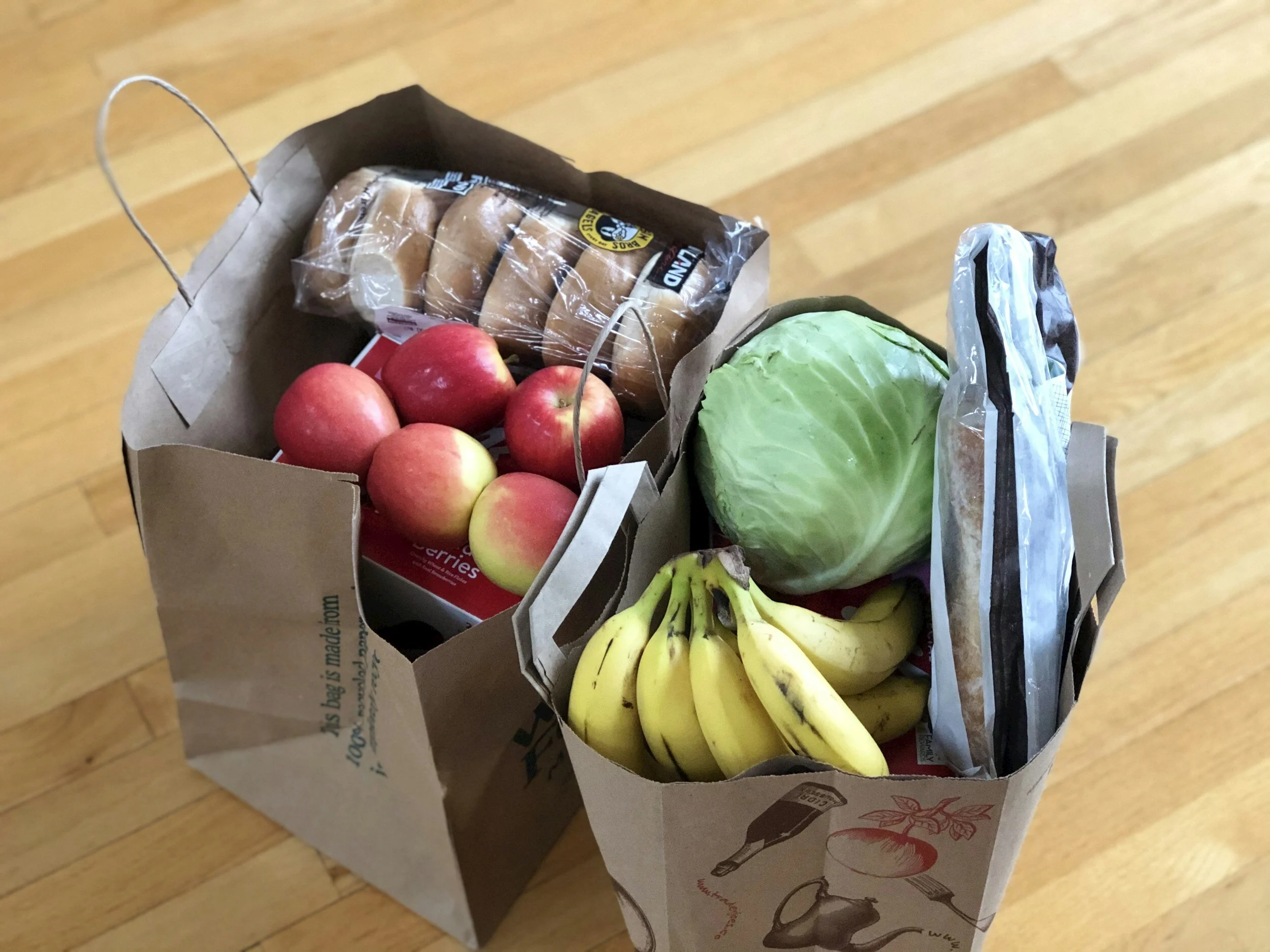
Including a variety of whole foods in your diet is important. Some of these foods include protein, produce (fruits & vegetables), carbohydrates and fats. When choosing these foods keep in mind the season and market prices which can help decrease cost.

Food groups to incorporate daily:

-       Protein: helps to build, maintain muscle and supports the immune system

-       Carbohydrates: primary fuel for the brain and energy for activity

-       Produce: provide vitamins & antioxidants that help prevent illness

-       Fats: aid in nutrient absorption, cellular repair of joints, organs, skin & hair

Economical options to purchase:

  • Protein

    • Canned- beans, legumes, lentils, tuna

    • Eggs

    • Low fat yogurt & cottage cheese

    • Plant-based: peanut butter. Tofu

  • Carbohydrates/Grains:

    • Whole grains: rice, pasta, cereal, bread, tortillas

    • oats

  • Produce:

    • Canned: mixed vegetables, green beans, corn

    • Leafy green, broccoli, carrots, apples, bananas, frozen fruit & veggies

  • Fats:

    • Nuts & seeds

    • Vegetable oils

    • Olives

Tips for grocery shopping: Grocery prices remain high, here are some helpful tips to fuel your day on a budget.

  1. Take inventory of pantry prior to shopping

  2. Research the weekly ad and coupons in advance

  3. Plan out a weekly menu of your meals

  4. Write down a grocery list

  5. Do not go to the store hungry

  6. Have a budget!

Incorporating these tips can prevent overspending, throwing out food and wasting time. Happy shopping!